
Indonesian Robusta Coffee Beans From Seedling to Harvest
Premium Indonesian Robusta Coffee Beans Indonesia is one of the world’s largest producers of Robusta coffee and is internationally recognized for its bold flavor, rich aroma, and consistent quality. Grown in fertile volcanic soil under a tropical climate, Indonesian Robusta coffee has become a preferred choice for coffee roasters, instant coffee manufacturers, beverage producers, and […]

Bahtera Prime
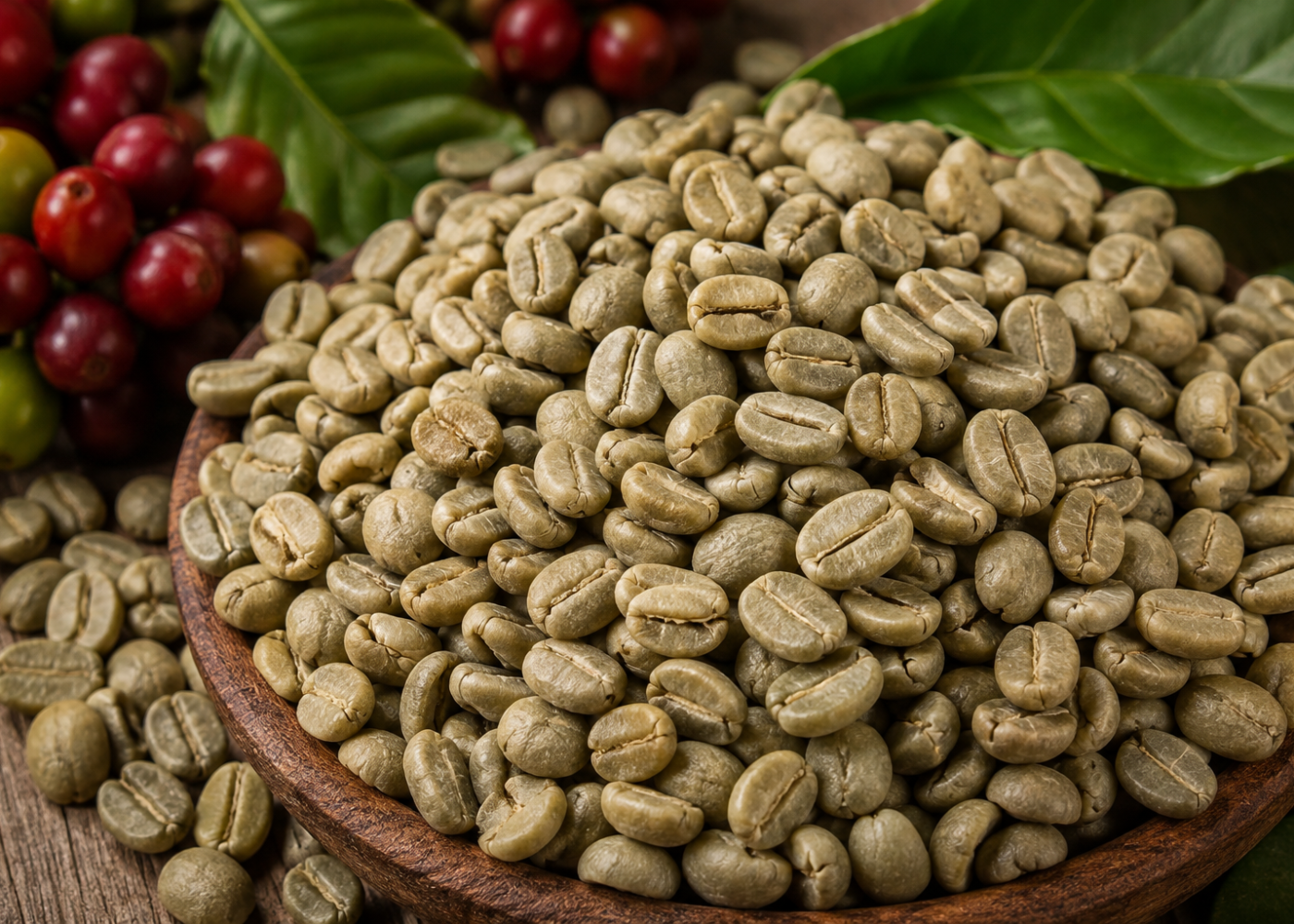
Premium Indonesian Robusta Coffee Beans
Indonesia is one of the world’s largest producers of Robusta coffee and is internationally recognized for its bold flavor, rich aroma, and consistent quality. Grown in fertile volcanic soil under a tropical climate, Indonesian Robusta coffee has become a preferred choice for coffee roasters, instant coffee manufacturers, beverage producers, and importers around the world.
At Bahtera Prime Trade, we collaborate with trusted farmers, cooperatives, and suppliers to deliver premium export-quality Robusta coffee beans. Every stage of production—from seed selection and cultivation to harvesting and post-harvest processing—is carefully managed to ensure that our products meet international quality standards.
Seed Selection and Nursery
The production of high-quality Robusta coffee begins with the careful selection of superior coffee seeds. Seeds are obtained from healthy, productive coffee trees that consistently produce fully ripe coffee cherries with excellent characteristics.
After harvesting, the seeds are cleaned, sorted, and planted in nutrient-rich nursery beds. During the nursery stage, seedlings receive regular watering, adequate shade, and continuous care to promote healthy root development while protecting them from pests and diseases. After approximately 6 to 12 months, the seedlings develop strong root systems and are ready for transplantation into coffee plantations.
Plantation Cultivation
Robusta coffee grows best at elevations between 200 and 900 meters above sea level, with ideal temperatures ranging from 22°C to 30°C. Its adaptability to tropical environments makes it highly productive and well suited to Indonesia’s diverse growing regions.
Before planting, the land is carefully prepared to ensure good drainage and fertile soil. Seedlings are planted with appropriate spacing to maximize sunlight exposure, air circulation, and nutrient absorption. Proper plantation management creates ideal growing conditions for healthy coffee trees and high-quality coffee cherries.
Plantation Management
Maintaining healthy coffee trees requires continuous care throughout the growing season. Farmers carry out routine activities such as irrigation when needed, balanced fertilization, weed control, pruning, and pest management.
Pruning encourages the growth of productive branches, improves air circulation, and helps maintain consistent yields. Through responsible farming practices and careful plantation management, farmers are able to produce coffee cherries with excellent quality and uniformity.
Flowering and Harvest
Robusta coffee trees generally begin producing cherries approximately 2.5 to 3 years after planting. As the cherries mature, they gradually change color from green to bright red, indicating that they are ready for harvest.
Harvesting is performed selectively by hand, with only fully ripe cherries being picked. This selective harvesting method helps maintain consistent bean quality and contributes to the rich flavor profile expected by international buyers.
Post-Harvest Processing
Immediately after harvesting, coffee cherries are processed to preserve freshness and maximize quality. Depending on customer preferences and market requirements, several processing methods are available.
Natural Process
The entire coffee cherry is dried before the beans are removed, producing coffee with a fuller body, natural sweetness, and complex fruity characteristics.
Washed Process
The fruit pulp is removed before drying, resulting in a cleaner cup profile with balanced acidity and a refined flavor.
Honey Process
Part of the fruit mucilage remains attached during drying, creating a well-balanced cup with natural sweetness, smooth body, and pleasant aroma.
After processing, the coffee beans are dried to the appropriate moisture level before undergoing hulling, grading, sorting, and packaging for export.
Export Quality Standards
Every batch of Robusta coffee beans supplied by Bahtera Prime Trade undergoes a comprehensive quality control process. Each shipment is inspected for moisture content, bean size, cleanliness, color consistency, and physical defects to ensure compliance with customer specifications and international export standards.
To preserve freshness and product integrity during transportation, all coffee beans are packed using export-grade packaging suitable for long-distance international shipping.
Sustainability and Responsible Sourcing
Bahtera Prime Trade believes that outstanding coffee begins with responsible sourcing. We work closely with experienced farmers and trusted suppliers who implement sustainable agricultural practices while maintaining high production standards.
By supporting responsible farming and long-term partnerships, we contribute to preserving Indonesia’s coffee heritage while delivering reliable products to customers worldwide.
Why Choose Bahtera Prime Trade?
We are committed to supplying premium Indonesian Robusta coffee beans backed by professional export services and dependable customer support.
Our advantages include:
- Premium Indonesian Robusta Coffee Beans
- Carefully Selected and Hand-Picked Coffee Cherries
- Strict Quality Control and Inspection
- Multiple Processing Methods Available
- Stable and Reliable Supply Capacity
- OEM & Private Label Services
- Export-Standard Packaging
- Worldwide Shipping Support
- Complete Export Documentation
- Long-Term Business Partnership

Written by
Bahtera Prime